A huge thank you to everyone who helped make the Moonlight Market such a success. The teamwork on the BBQ and in the Kiosk was outstanding and a great example of what we can achieve when we work together. Your time, effort and good spirits did not go unnoticed, and the event was a credit to our Club.
Looking ahead, we have a busy and exciting program of activities coming up:
Club and District Engagement
Members will be meeting with the Rotary Club of Adelaide to continue planning for the upcoming District Governor Changeover in July.
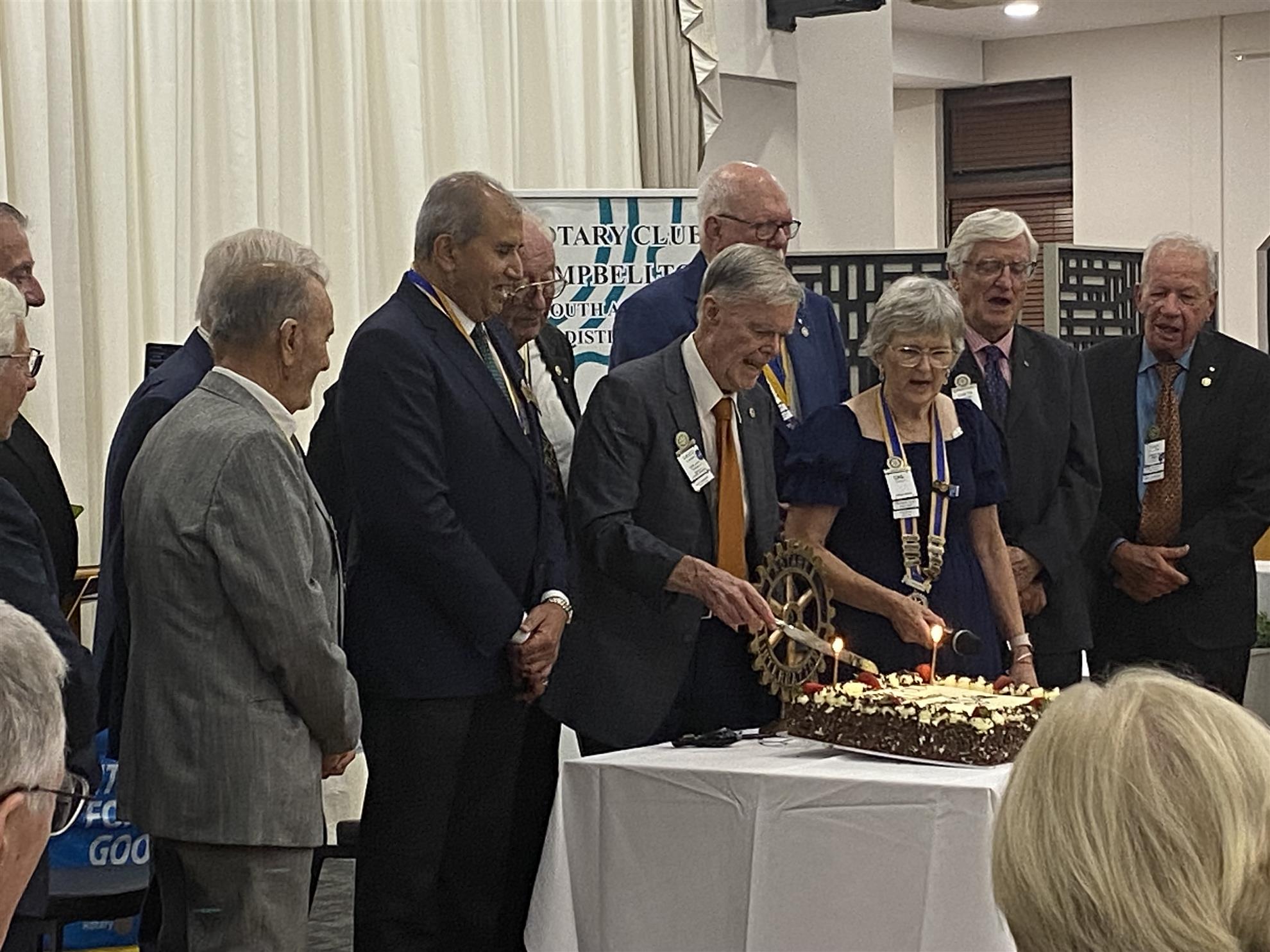
We also extend congratulations to the Rotary Club of Campbelltown, with members attending their 60th Birthday celebrations on 16th February – a wonderful milestone.
Clean Up Australia Day – 1st March
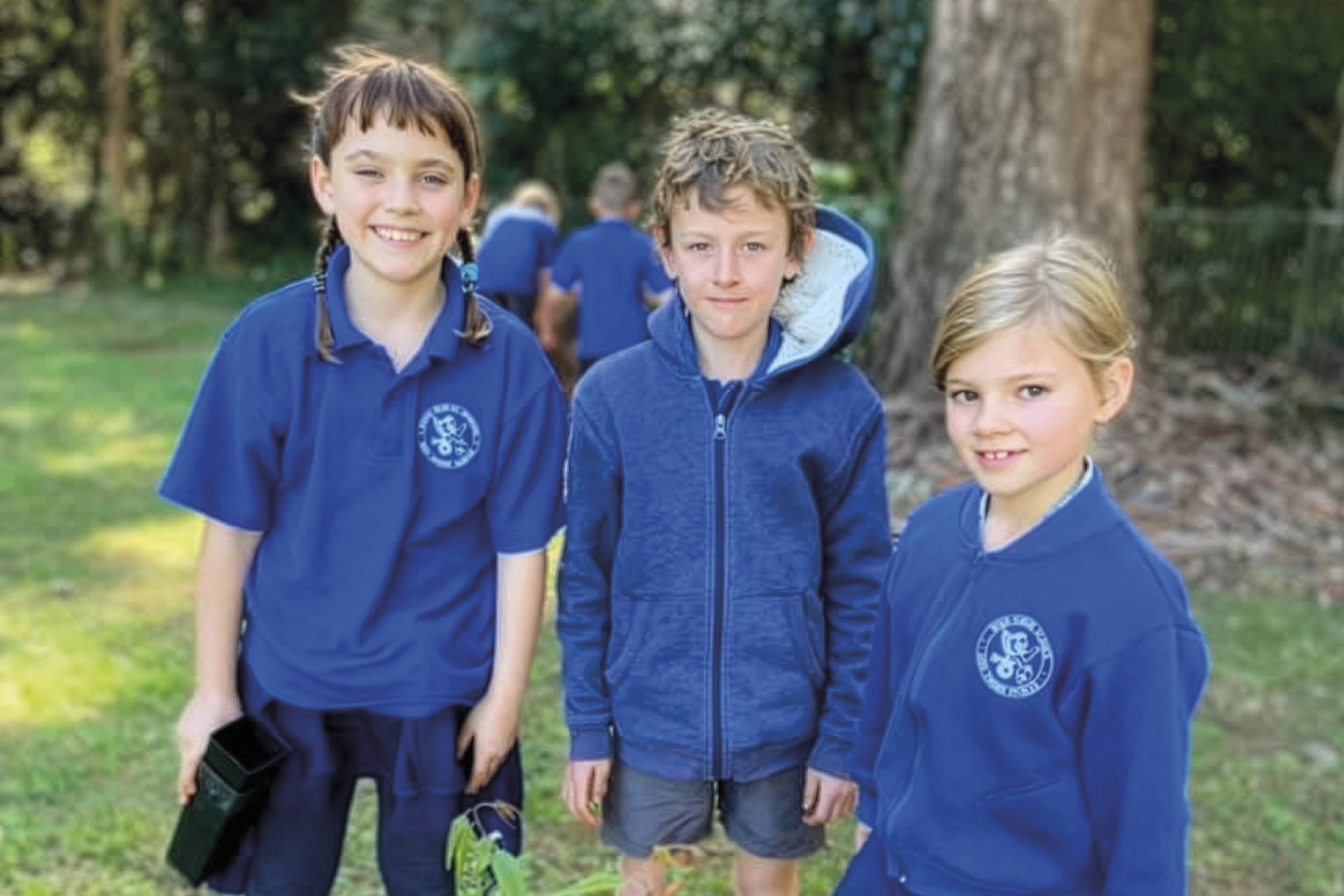
Our Club will again be supporting Clean Up Australia Day. This is a fantastic opportunity to roll up our sleeves, make a visible difference in our community, and demonstrate Rotary in action. Bianca Paterson will be coordinating so reach out to her if you, your family and other community members can assist in cleaning up 4th Creek from the Morialta Park on Stradbroke Road to Forest Avene in Rostrevor. If you can’t physically assist with the pickup of rubbish, you may like to consider staying at the start and finish point to advise the general public what Rotary is about and doing.
Projects and Events
Work continues to be a part of the Fit for Purpose Project, ensuring our Club remains strong, relevant and ready for the future.
The Rotary Club of Campbelltown Art Show will be held from 9–16 May 2026, with the Opening Event on 8th May. We are pleased to acknowledge that the Rotary Club of Morialta, will be donating the 1st Prize in the Indigenous Art Section, valued at $500.
Epic Day of Service – 16th May 2026
Our Club will take part in Rotary’s Epic Day of Service, highlighting our activities through social media and hands‑on work within the local community.
Community Impact and Mental Health Initiatives
In September, our Club will participate in a Royal Adelaide Show Stand, joining Community Groups 1 & 3 to Increase Our Impact and Expand Our Reach. Damian Leach will be on the organising committee for this initiative so we will hear more information as we get closer to the event.
A District Grant has been secured for a Mental Health First Aid Course (15 hours) by the Rotary Community Group 3, of which we are a part. If there are any members interested in this 15-hour course please let me know. A $25 deposit applies, with the date yet to be advised.
We will again support Australian Rotary Health – Walk for Mental Health (Lift the Lid) in October 2026, continuing our commitment to mental health awareness.
Thank you to all members for your ongoing commitment, energy and enthusiasm. Together, we continue to make a meaningful difference in our community and beyond.
Editorial
Spending time in Alice Springs has reminded me that community is never abstract. It is shaped by history, culture, language and lived experience. It is visible in everyday interactions. It is complex, layered, and deeply influenced by place.
In some settings, conversations about diversity and inclusion can feel theoretical. Here, they do not. Here, the importance of listening, understanding context, and respecting different perspectives feels immediate and real.
When I wrote recently about diversity, equity and inclusion, I focused on Rotary as an organisation — on how our structures, habits and culture either support belonging or unintentionally limit it. Being in Alice Springs has taken that reflection from theory to practice. It has reminded me that inclusion is not primarily about language or labels. It is about lived experience.
It is about whether people genuinely feel they belong.
We often describe Rotary as a fellowship. But fellowship only has meaning when it extends beyond what is comfortable or familiar. Being attentive to place — to the unique character and history of a community — is part of that work. What builds trust in one setting may not translate neatly into another.
This experience has prompted me to reflect more carefully on simple but important questions:
Do people feel comfortable walking into our meetings?
Do they see a pathway to contribute and lead?
Are we open to perspectives that may differ from our own?
Connection grows when people feel seen and respected. And connection, more than anything else, sustains Rotary.
Looking ahead, I believe this is an opportunity for us. Not to complicate our work, but to strengthen it. If we are deliberate about inclusion — attentive to place, conscious of how culture shapes experience — we will build a club that is both welcoming and resilient.
Inclusion strengthens our club. Attention to place deepens our service. Connection secures our future.
For me, that is the quiet, forward-looking work of fellowship.
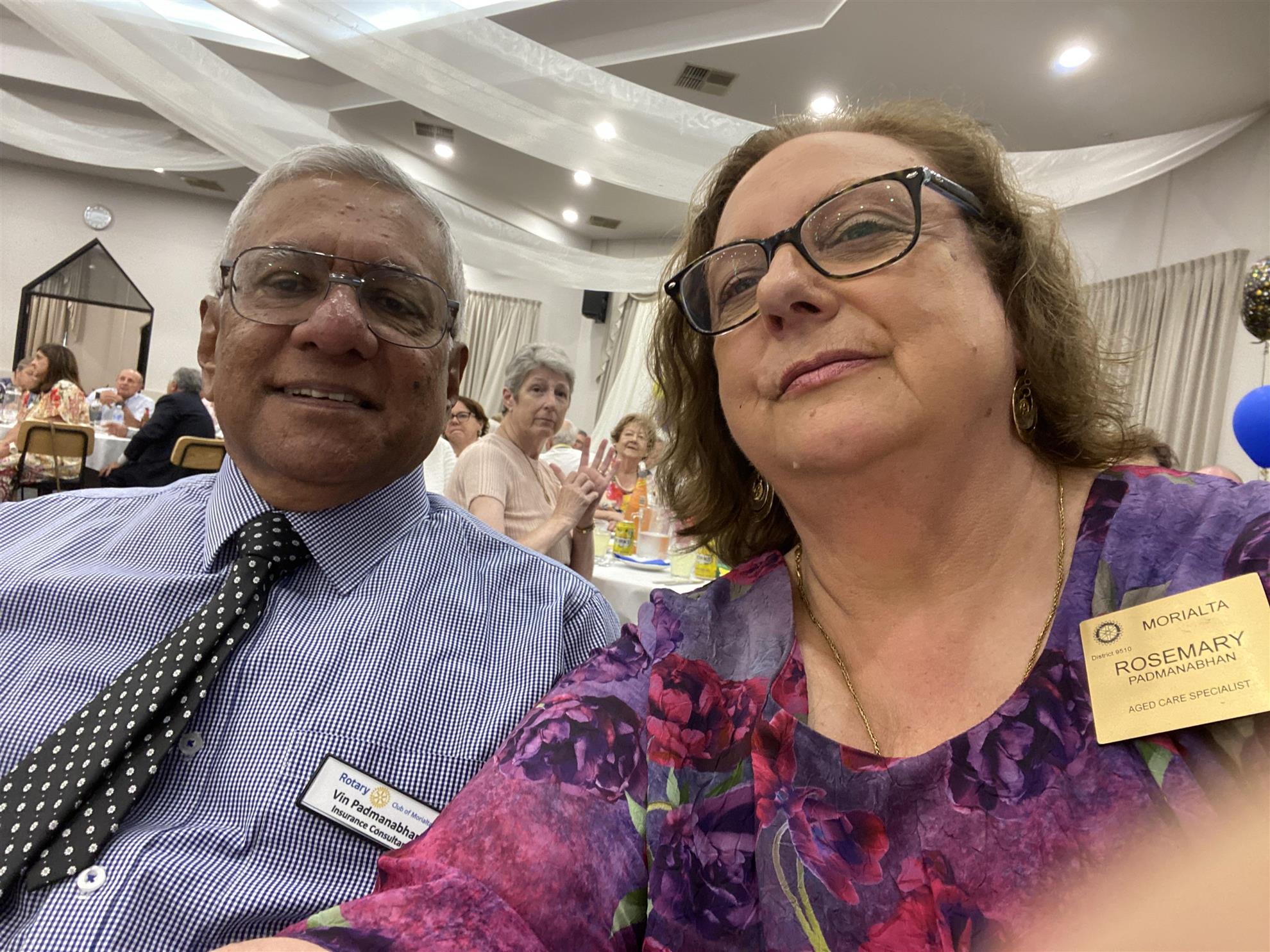
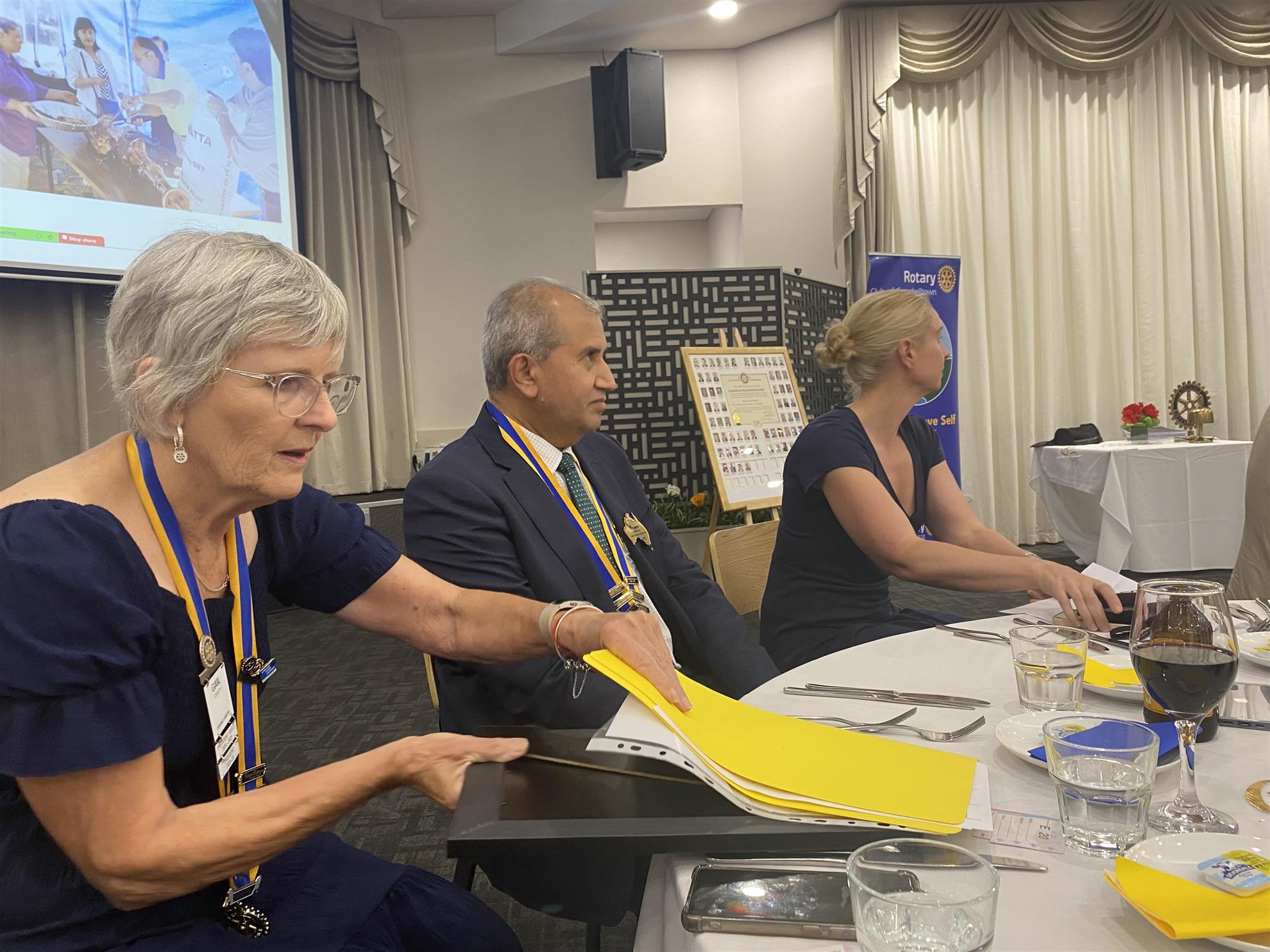
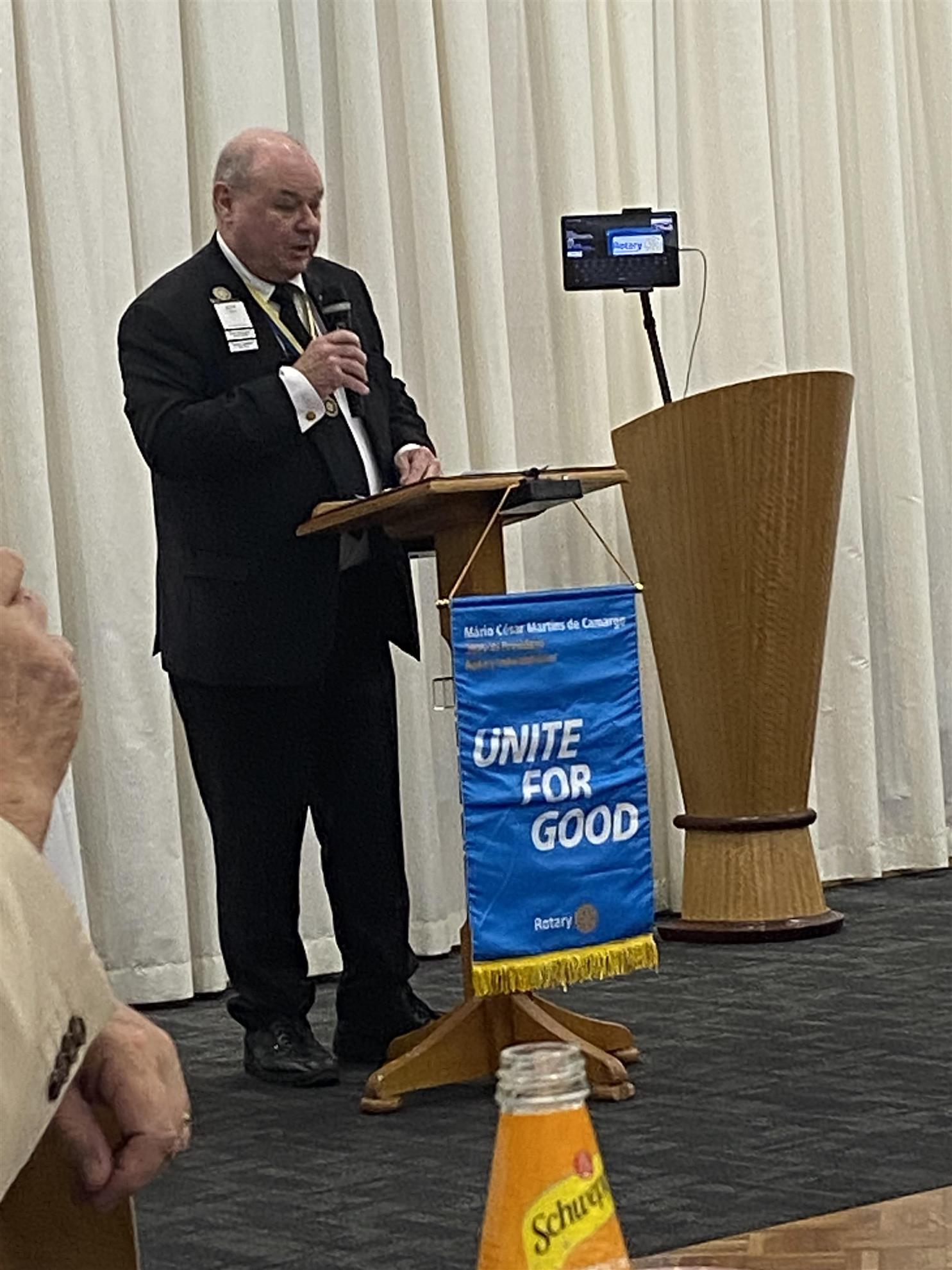
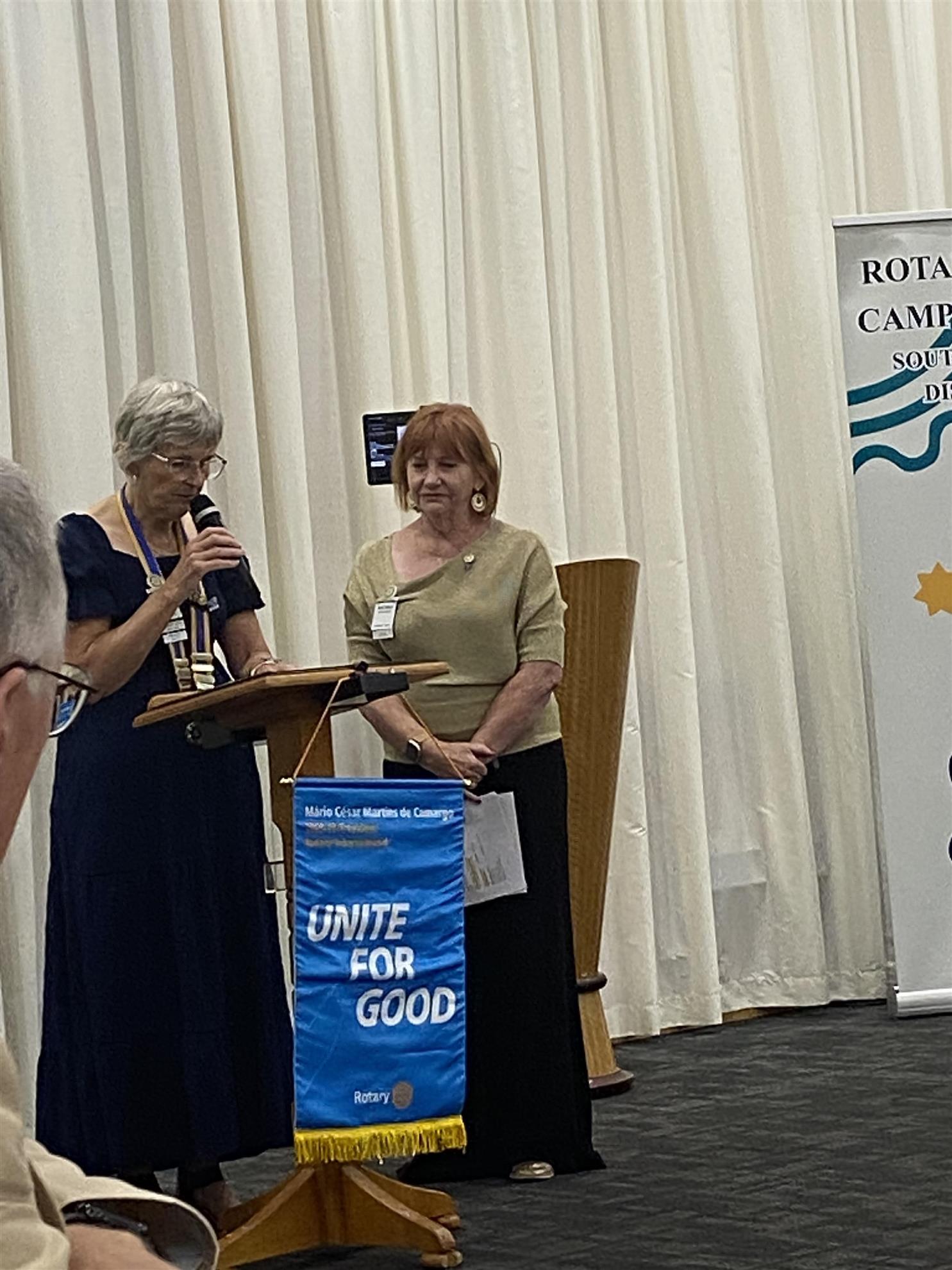
On 16 February 2026, Vin and I had the pleasure of attending the 60th Birthday celebrations of the Rotary Club of Campbelltown, our parent club. The milestone event was held at the San Giorgio La Molara Community Club in Payneham, a venue that provided a warm and welcoming setting befitting such a significant occasion.
The evening celebrated six decades of service, fellowship, and commitment to the local community by the Rotary Club of Campbelltown. With more than 100 attendees present, the strong turnout reflected the club’s enduring impact and the respect it has earned over many years. The event offered a valuable opportunity to reconnect with fellow Rotarians, renew friendships, and recognise the strong bonds shared between our clubs.
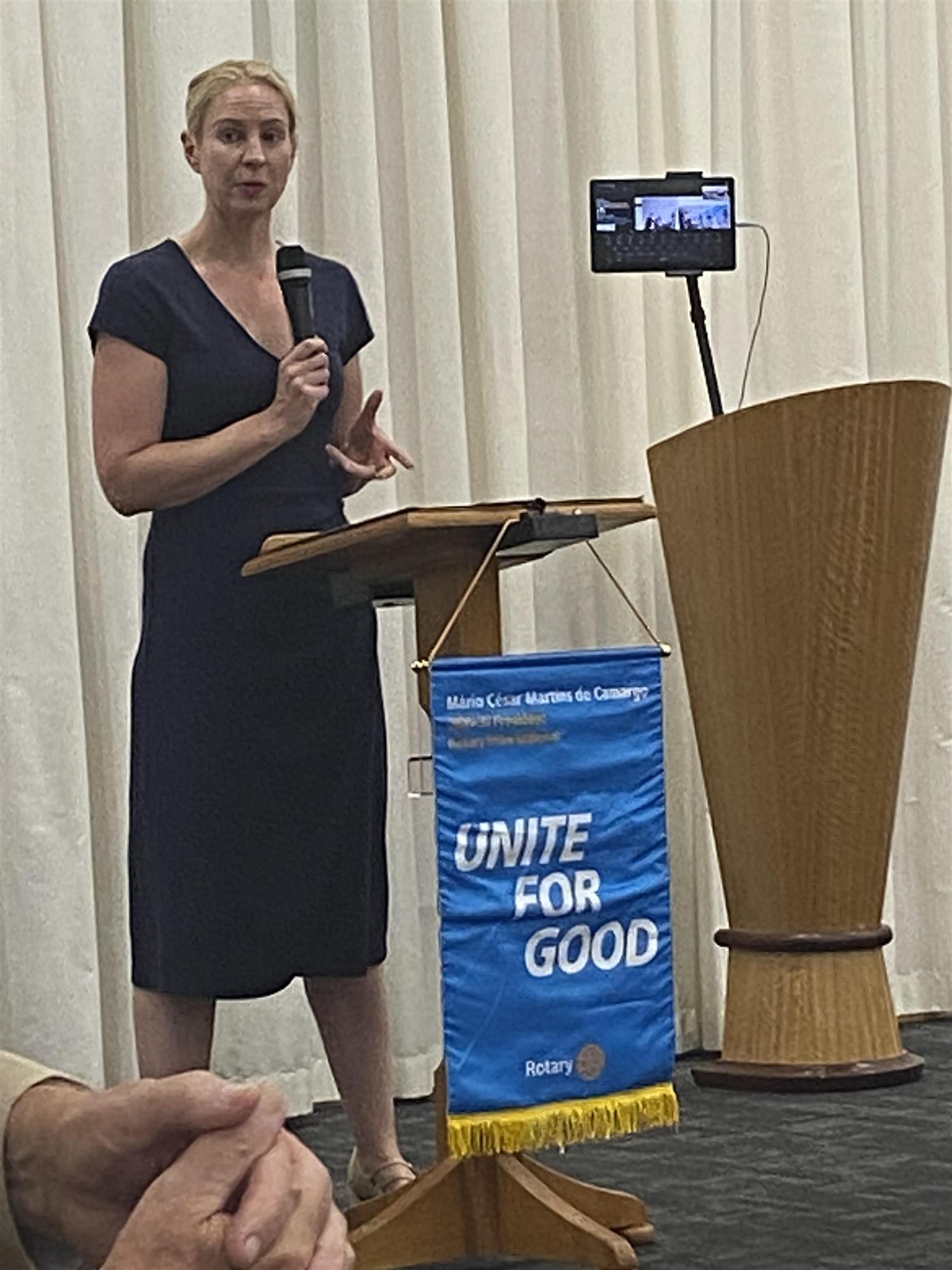
President Gail Casey formally welcomed attendees and introduced a number of distinguished guests, including District Governor Dr Rajeev Kamineni, Federal Member for Sturt Claire Clutterham, Mayor Jill Whittaker, and Rob Brennan. Also acknowledged were visiting club leaders: Natasha Pope, President of the Rotary Club of Norwood, and Wendy Gaborit, President of the Rotary Club of St Peters and us from Rotary Club of Morialta.
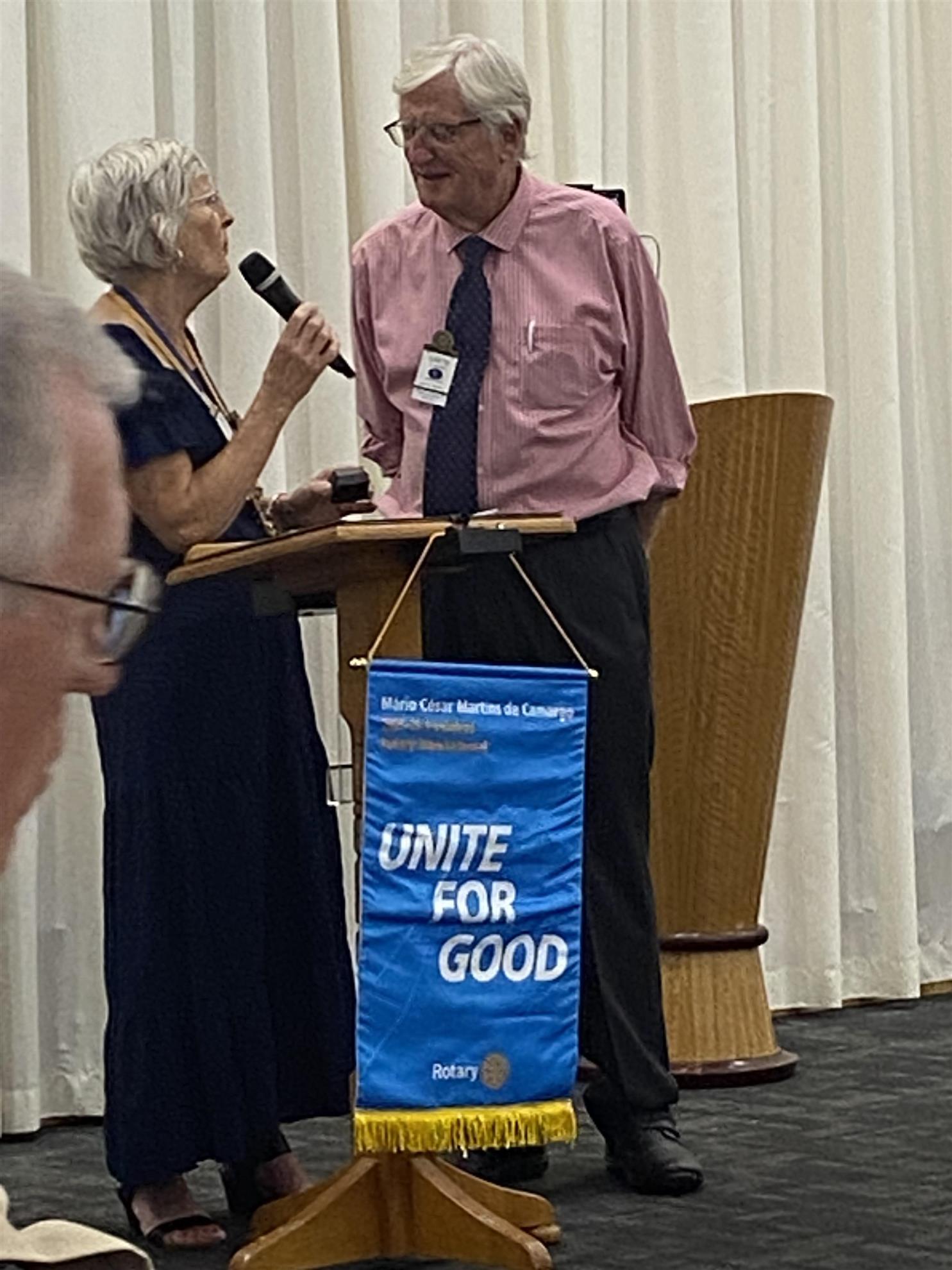
A highlight of the evening was a presentation by Past President Jeff Neale, who provided a history of the Rotary Club of Campbelltown, reflecting on the club’s journey and achievements over the past 60 years. The celebration also included formal recognition of service, with two members presented with Paul Harris Awards, acknowledging their outstanding contributions to Rotary.
Overall, the celebrations were a fitting tribute to the proud legacy of the Rotary Club of Campbelltown and its ongoing commitment to service above self.
Type caption here
The Buddy Program - Article in Australian Midwifery Journal
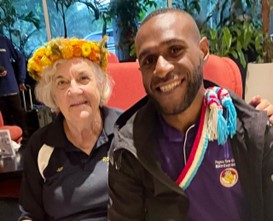
A recent article (below) highlights the PNG Midwifery Leadership Buddy Program, a collaborative initiative designed to strengthen leadership skills among midwives in Papua New Guinea.
Developed through a partnership between the Australian College of Midwives and the PNG Midwifery Society, the program pairs PNG midwives with Australian “buddies” for mentoring and support over 12 months. Participants attend an initial leadership workshop and then work on small quality improvement projects within their own health settings.
Since launching in 2019, 60 midwives have taken part. Evaluation results show increased leadership confidence, stronger teamwork, and tangible improvements in local healthcare practices.
For Rotary members, the program offers a powerful reminder that sustainable impact often comes through mentoring, partnership, and leadership development — not just funding alone. Building people builds systems, and strengthening local leadership is one of the most effective ways to improve long-term community outcomes.
Despite the slower park traffic, thank you to everyone who gave their time across both days.
On a brighter note, the Moonlight Markets delivered an outstanding result. Thanks to the fantastic efforts of our volunteers, the club recorded:
$2,360.85 total ($755.85 Cash | $1,604.80 EFT)
A huge thank you to all members who assisted — your energy and teamwork continue to make these events such a success.
The Case of the Rogue PowerPoint
At a recent meeting, our guest speaker arrived well prepared — laptop in hand, presentation polished, and confidence firmly in place.
The projector flickered to life. The screen glowed. The first slide appeared.
Except… it wasn’t the first slide.
Instead, the room was greeted with what appeared to be someone’s holiday photos from 2017. A beach. A sunset. A very enthusiastic selfie.
There was a pause.
The speaker frowned gently and clicked forward.
Next slide: “Tax Planning – Draft Notes (Do Not Use).”
Another click.
A grocery list.
At this point, the room had fully committed to silence, the kind only Rotary can achieve when everyone is trying very hard not to laugh.
Finally, after a few strategic clicks and one whispered consultation with the ever-reliable tech-savvy Rotarian in the third row, the correct presentation appeared — greeted by applause that suggested we had just witnessed a minor miracle.
The speaker recovered brilliantly.
The talk was excellent.
And not a single Rotarian mentioned the beach photo again. Out loud.
Lesson learned: In Rotary, technology may test us — but goodwill always saves us.
Rotary Information
February is Rotary’s Peacebuilding and Conflict Prevention Month, and while peace is often associated with global initiatives and international programs, one of Rotary’s most practical contributions to peace begins much closer to home — in our workplaces.
Rotary has long recognised that ethical conduct in professional life is a foundation for stable communities. When businesses operate fairly, when contracts are honoured, when leaders act with integrity, and when disagreements are resolved constructively, the likelihood of conflict decreases.
This is where Vocational Service connects directly to peace.
The Four-Way Test is more than a personal code of conduct — it is a conflict-prevention tool:
Is it the truth?
Is it fair to all concerned?
Will it build goodwill and better friendships?
Will it be beneficial to all concerned?
Applied consistently in business, public service, and community life, these principles reduce mistrust and resentment — both of which are common drivers of conflict.
Vocational Service also promotes peace through mentoring, workplace leadership, and skills-sharing. When people are given fair opportunity, treated with respect, and supported in their professional growth, communities become more resilient and less prone to division.
Rotary’s peacebuilding work is not confined to conference halls or international forums. It happens when Rotarians choose integrity in negotiations, fairness in decisions, and civility in disagreement.
In that sense, peace is not only something Rotary supports abroad. It is something Rotarians practise every day at work.
February is a reminder that conflict prevention begins not in distant capitals — but in local conversations, ethical workplaces, and professional conduct.